Un guardiano solitario del faro osserva l'alba da una scogliera, un drone ad angolo basso si spinge verso la torre, la luce dell'ora d'oro, riflessi di lenti anamorfiche, una dolce nebbia marina che fluttua attraverso l'inquadratura. Grado di colore cinematografico, profondità di campo ridotta, 5 secondi.
Choose an MP4, WebM, or MOV clip with clear subjects and motion. The source footage gives the model visual, timing, and movement context for the transformation.
Explain the style, environment, palette, texture, lighting, wardrobe, or atmosphere you want, and state which subjects or actions should remain recognizable.
Select a supported model and its available quality, duration, or resolution controls, review the credit cost, then generate and download the Take you want to keep.
A useful restyle prompt names the new visual language while respecting the source clip's subject, motion, and timing. Use these directions to explore different treatments without describing a new video from zero.
Keep the source motion as context while you explore a new visual language through prompts, supported models, and independent Takes.
Begin with existing footage so the model can use its subjects, sequence, motion, and timing as context for the new result.
Define the target palette, texture, environment, lighting, wardrobe, rendering style, or cinematic atmosphere in plain language.
Compare several treatments without overwriting the source clip or an earlier variation that still fits the brief.
Choose from the quality, duration, and resolution options the active video-to-video model actually supports.
Keep the source performance and timing while directing a new visual language, environment, camera finish, or genre.
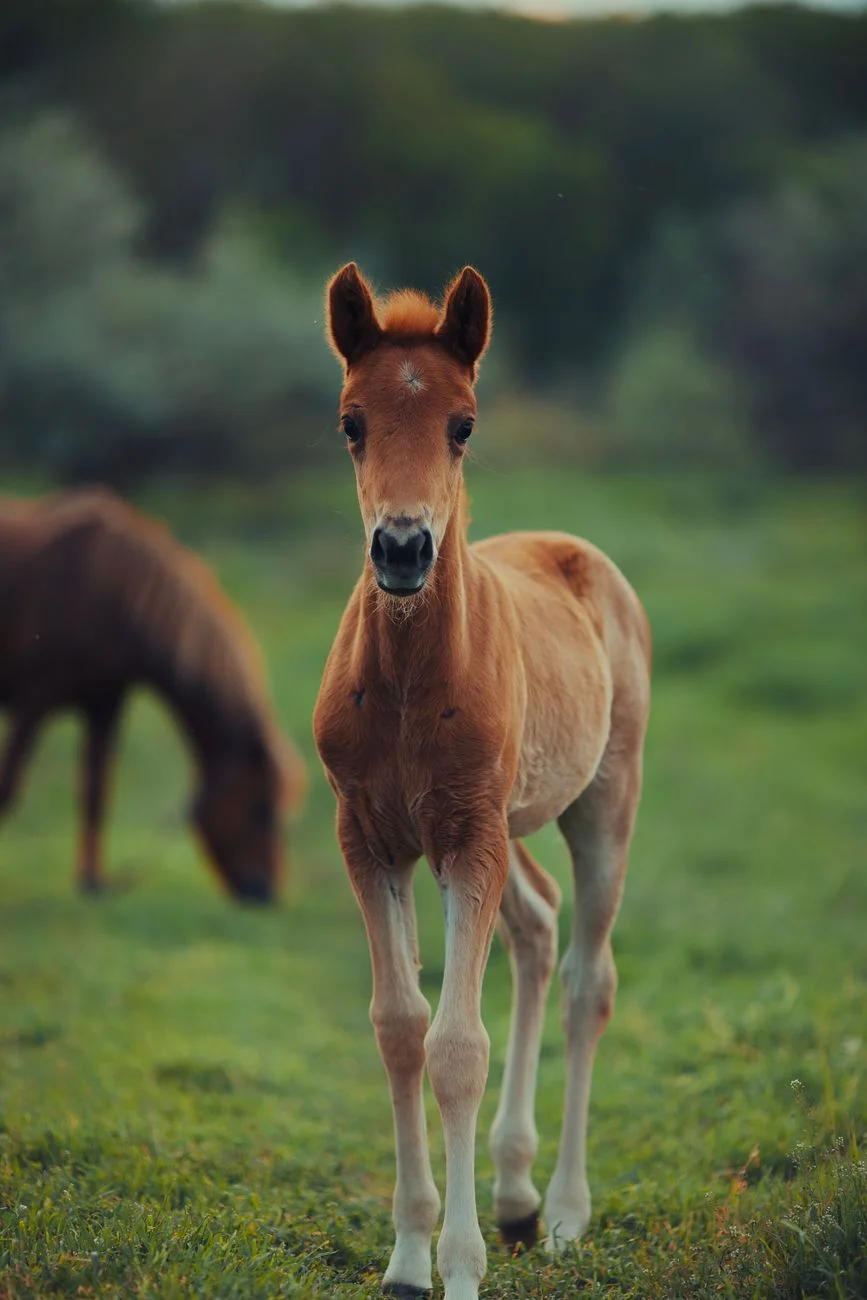
Restyle the source footage as a cinematic 35mm film scene. Preserve the subject's actions, timing, camera direction, and composition while adding natural film grain, richer contrast, soft halation, and warm dusk color grading. Keep faces and hands stable across every frame.
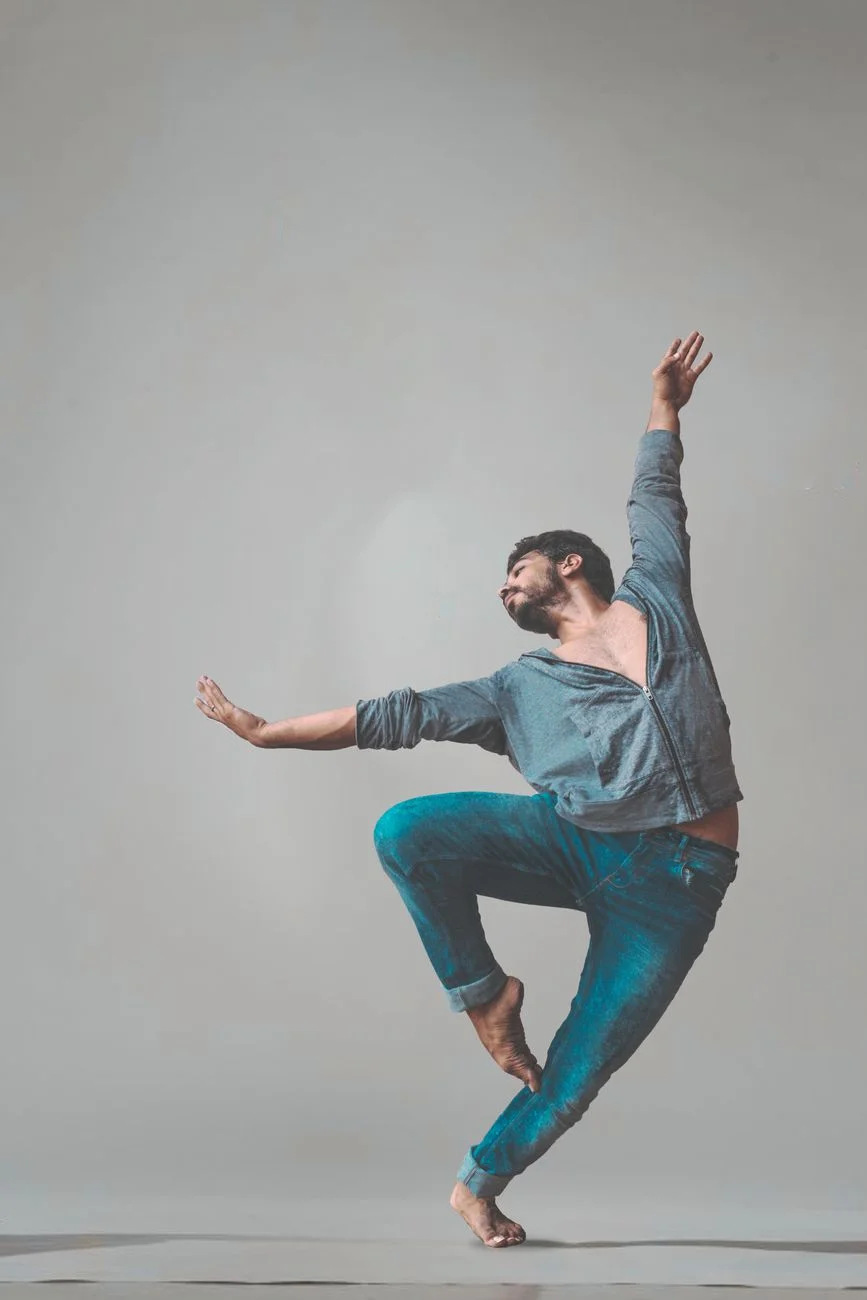
Transform the source dance into a polished music-video performance. Preserve the choreography, beat timing, body proportions, and outfit while adding controlled stage lights, subtle haze, energetic camera arcs, and crisp editorial contrast. The movement should remain smooth and synchronized from beginning to end.
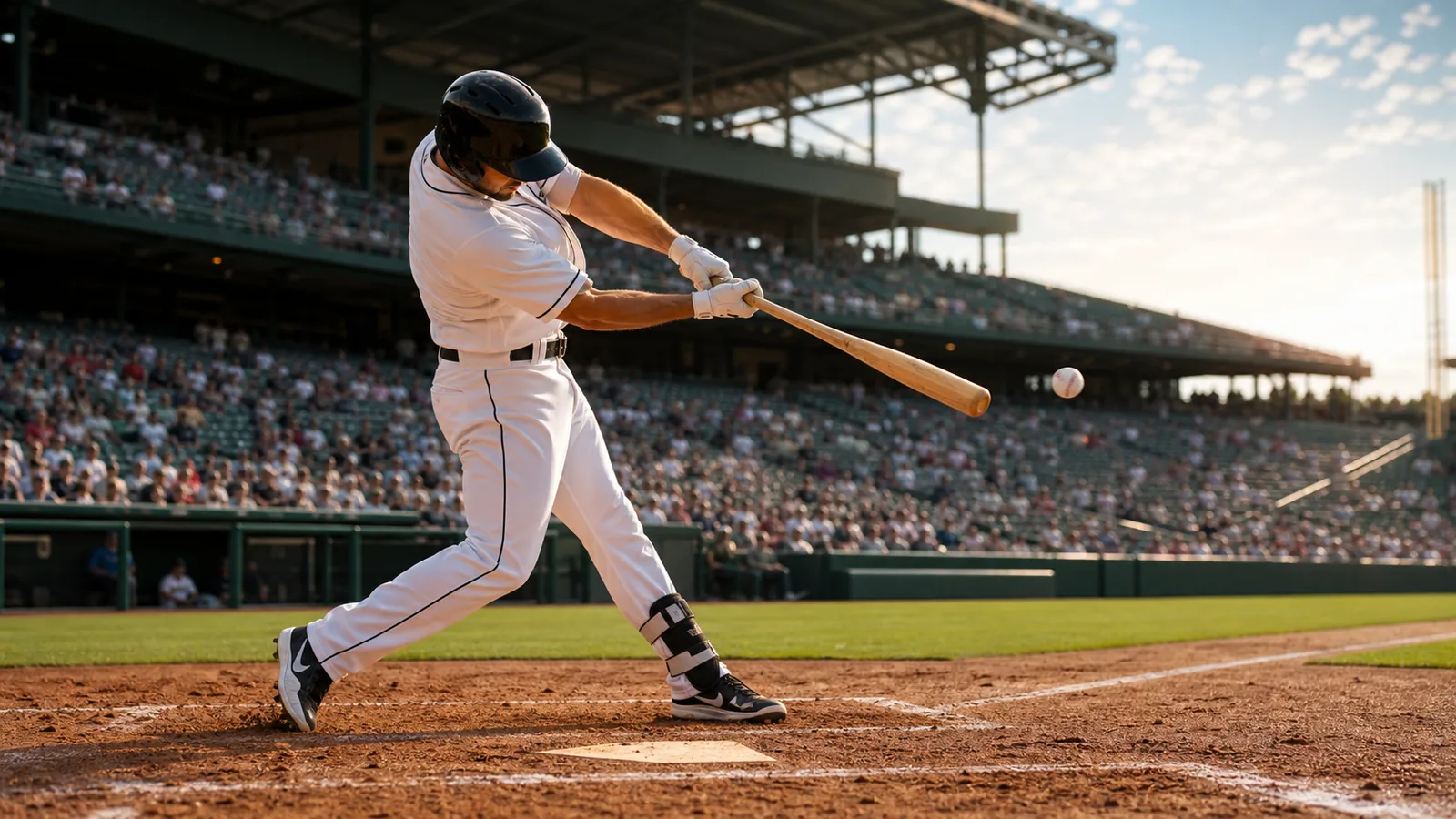
Turn the source action into a dramatic stadium highlight. Keep the athlete's movement and timing intact, add realistic crowd depth, directional floodlights, light camera shake, and a broadcast-ready sports grade. Emphasize the key action beat with a short, smooth slow-motion accent.
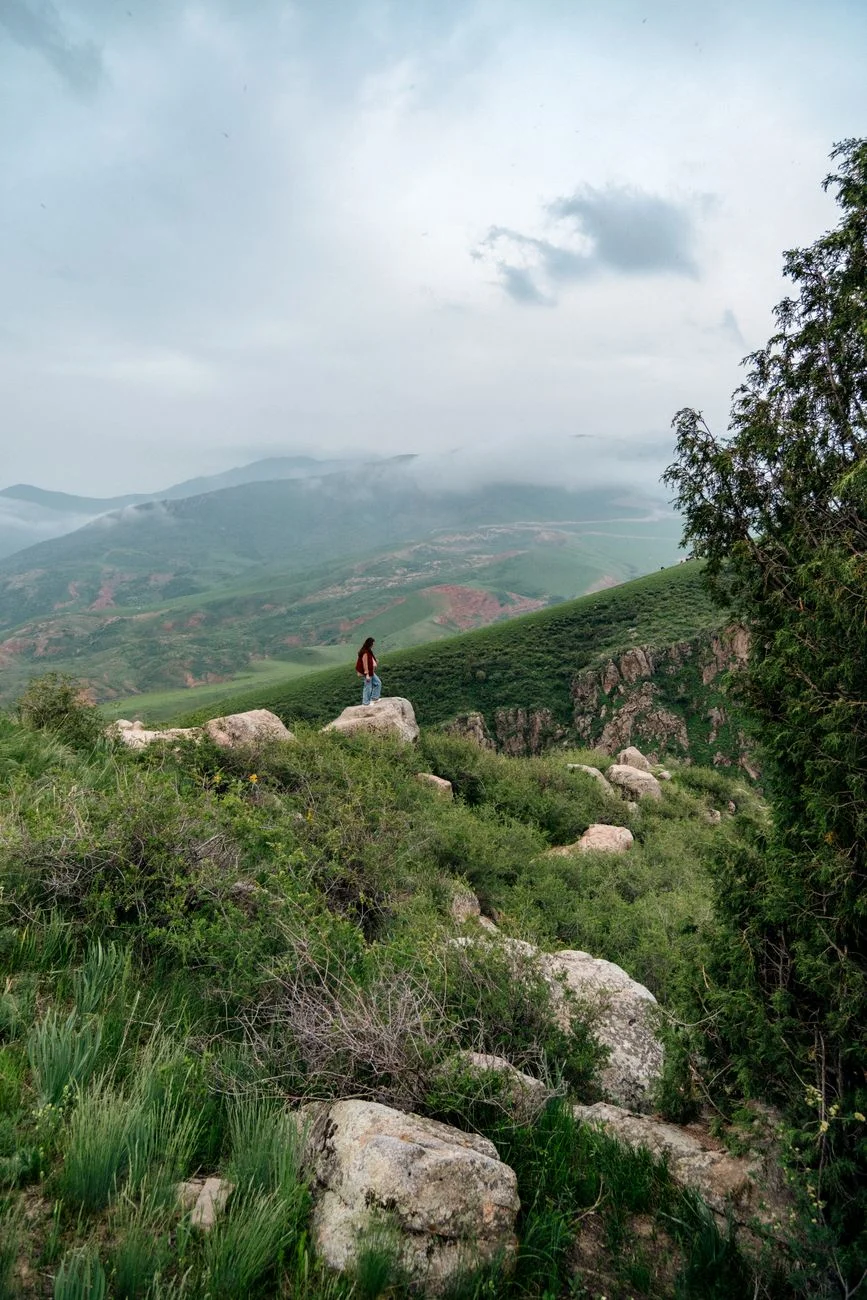
Restyle the footage as a high-detail fantasy journey through a glowing forest. Preserve the subject's gestures and camera movement while replacing the environment with luminous plants, drifting particles, soft fog, and magical blue-green light. Keep the subject readable and the motion physically coherent.
Different models excel at different tasks. Access them all through the single platform ManyO — switch freely, pay-as-you-go.
720p and 1080p video-to-video restyling at 5 or 10 seconds.
720p restyling with 5 and 10 second options.
480p restyling for quick look development before a final render.

Use an existing product, brand, or launch clip as the motion base, then explore a new palette, environment, texture, or seasonal treatment before committing to a full reshoot.

Rework creator clips, performance moments, or recurring series into stylized variations while using the original action and timing as context for each Take.

Use a source scene, performance, or previz clip to compare cinematic, illustrative, or atmospheric directions during creative development and review.
Use an existing clip as the visual and temporal anchor instead of rebuilding its subject and motion from a blank prompt.
Restyle recurring clips, performances, and short-form footage while keeping the action your audience already recognizes.
Explore new campaign, seasonal, and channel treatments from approved footage before scheduling another production.
Test grading, world, texture, and art-direction concepts on moving scenes during previz, pitching, and client review.

I can test a bold visual treatment on the actual performance, so the team evaluates style and motion together instead of looking at still references.
ESSO AI Show
Content Creator
Keeping the source clip as context helps every restyle start from the same gesture and timing when we compare directions.
ESSO AI Show
Content Creator
Independent Takes make it easy to preserve a subtle treatment while I explore a more graphic version for another channel.
ESSO AI Show
Content Creator
Video-to-video lets us refresh approved campaign footage for a seasonal pitch before we decide whether a reshoot is justified.
Mira Studio
Creative Producer
I use the prompt to define color, texture, and atmosphere, then review continuity carefully before choosing a clip to export.
Nova Reels
Video Marketer
Answers about source formats, restyle prompts, motion continuity, model controls, credits, and output review.
Upload MP4, WebM, or MOV footage, choose a supported model, review its settings and credit cost, then generate the first variation.